
Gardens That Reflect Your Property and Preferences
Garden Design & Installation in Missouri City for properties that need seasonal color and organized planting areas
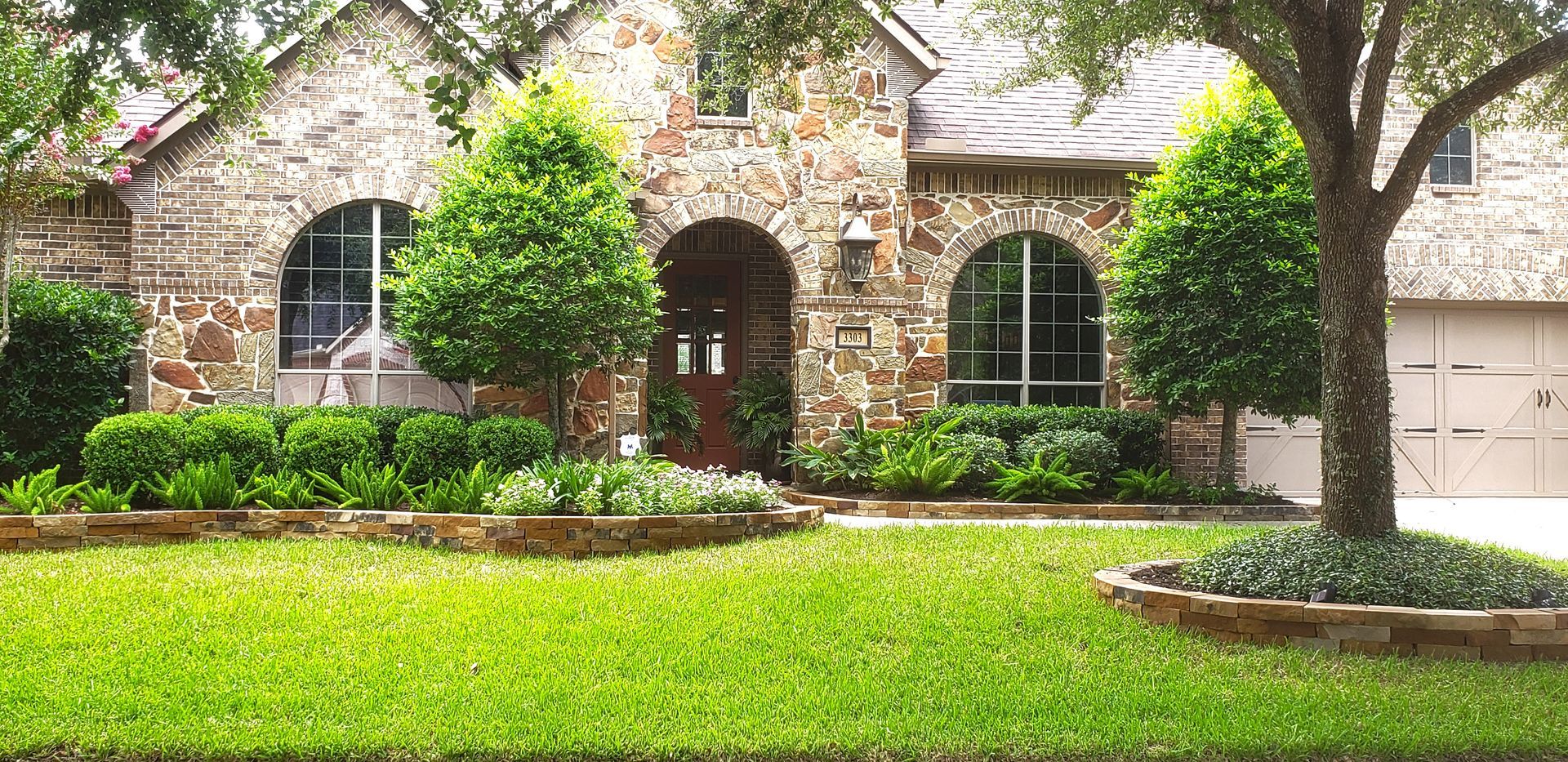
Many homes in Missouri City were built during the 1980s and 1990s with minimal landscape planning, leaving front and side yards with bare planting beds or overgrown foundation shrubs that no longer serve the property well. Callaway Outdoor Designs handles garden design and installation for properties where existing planting areas lack structure, color, or seasonal interest. You'll notice defined garden beds, coordinated plant selections, and a layout that works with your available space rather than against it.
Garden design starts with assessing your property's layout, sun exposure, and drainage patterns to determine where planting areas will perform best. Callaway Outdoor Designs incorporates seasonal flowers, perennials, shrubs, and greenery based on what will thrive in your specific conditions and what visual effect you're working toward. Bed preparation involves grading, soil amendment, and edging to create stable planting zones that prevent washout and support root development.
Request a property evaluation to review planting areas and discuss garden layout options.
How Installation Brings the Design to Life
Installation begins with preparing the planting beds, which involves removing existing vegetation, adjusting soil levels, and establishing clean borders that separate garden areas from turf or hardscape. Plants are staged on site according to the design plan before any digging begins, allowing you to see spacing and placement before commitment. Each plant is set at the correct depth, backfilled with amended soil, and watered in to eliminate air pockets around the root ball.
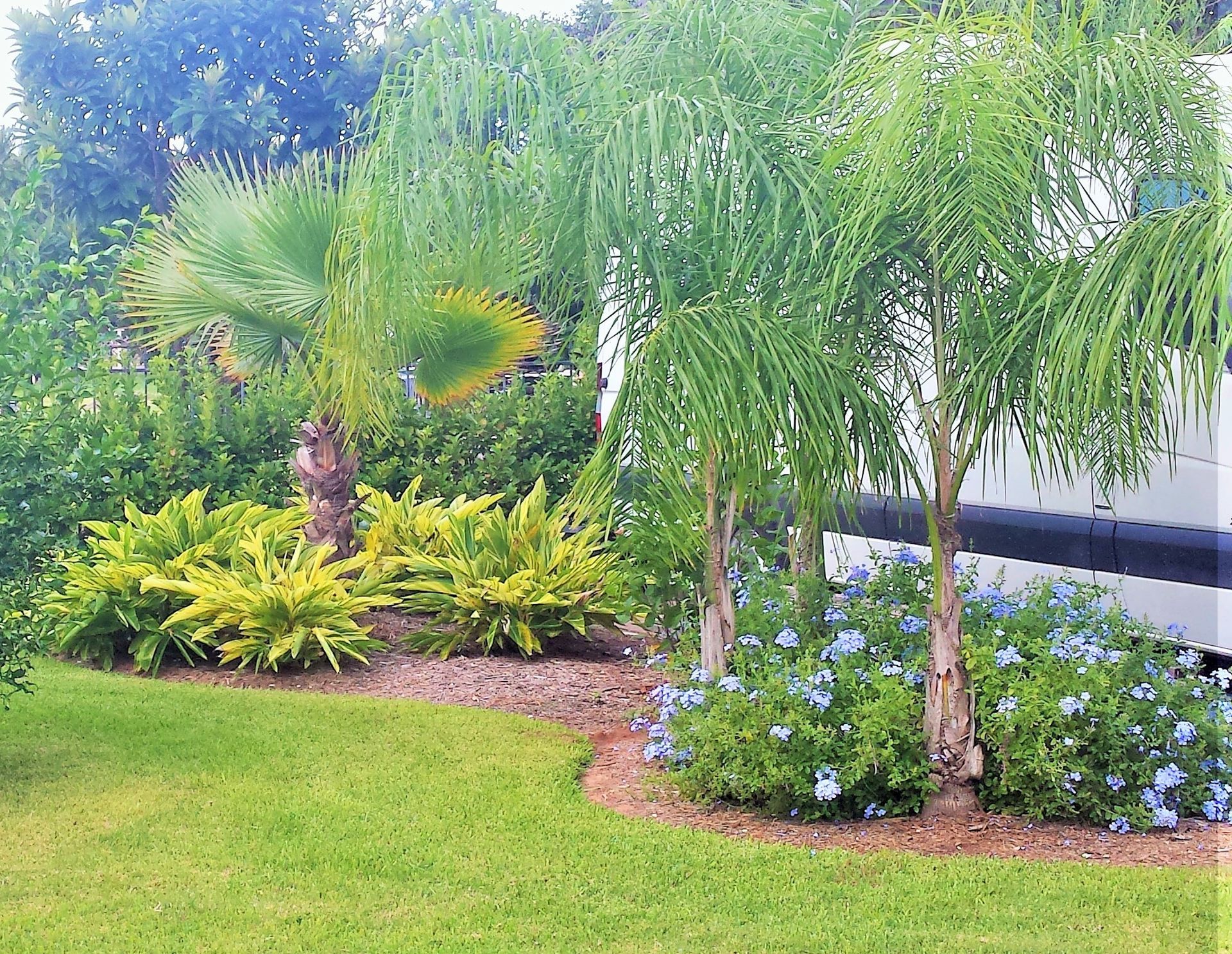
Once installation is complete, you'll see organized garden beds with clear borders, coordinated plant groupings that provide color and texture, and a layout that makes sense with your home's architecture and outdoor traffic patterns. Garden areas appear intentional rather than random, and seasonal interest is built into the plant selection so that something is always in bloom or contributing foliage.
Garden installation includes mulching to retain moisture and suppress weeds, but it does not include irrigation system installation or ongoing maintenance. Watering schedules and care instructions are provided at project completion so you understand what each planting zone requires during establishment.
Questions Property Owners Ask About the Work
These questions address how garden design and installation are performed and what you can expect during the project.
- How is the garden layout developed for a specific property? The design process evaluates your property's existing conditions, including sun exposure, drainage, available planting area, and proximity to structures or utilities. Plant selections are matched to those conditions, and bed shapes are drawn to complement your home's architecture and the way you move through outdoor spaces.
- What preparation is required before plants go into the ground? Planting beds are cleared of existing vegetation, graded to correct drainage issues, and amended with soil conditioner to improve root establishment. Edging is installed to create clean borders, and mulch is applied after planting to stabilize soil temperature and reduce water loss.
- How are seasonal flowers and perennials selected for the design? Plant selection is based on bloom timing, mature size, maintenance requirements, and how each plant contributes to the overall color palette and texture throughout the year. Seasonal flowers are rotated to provide continuous color, while perennials form the structural foundation of the garden bed.
- What is the difference between garden bed preparation and standard planting? Bed preparation involves reshaping the planting area, adjusting soil composition, and installing permanent edging, which creates a stable environment for long-term plant health. Standard planting may involve digging individual holes without addressing soil quality or drainage across the entire bed.
What should you check once the garden installation is finished? Look for consistent mulch depth, plants set at grade level rather than too deep or too high, and bed edges that are clean and well-defined. Each plant should be firmly anchored, and the overall layout should appear balanced with appropriate spacing for mature growth.
Callaway Outdoor Designs completes garden projects with attention to plant placement, soil preparation, and seasonal coordination. Schedule a consultation to discuss your property's planting areas and design preferences.